
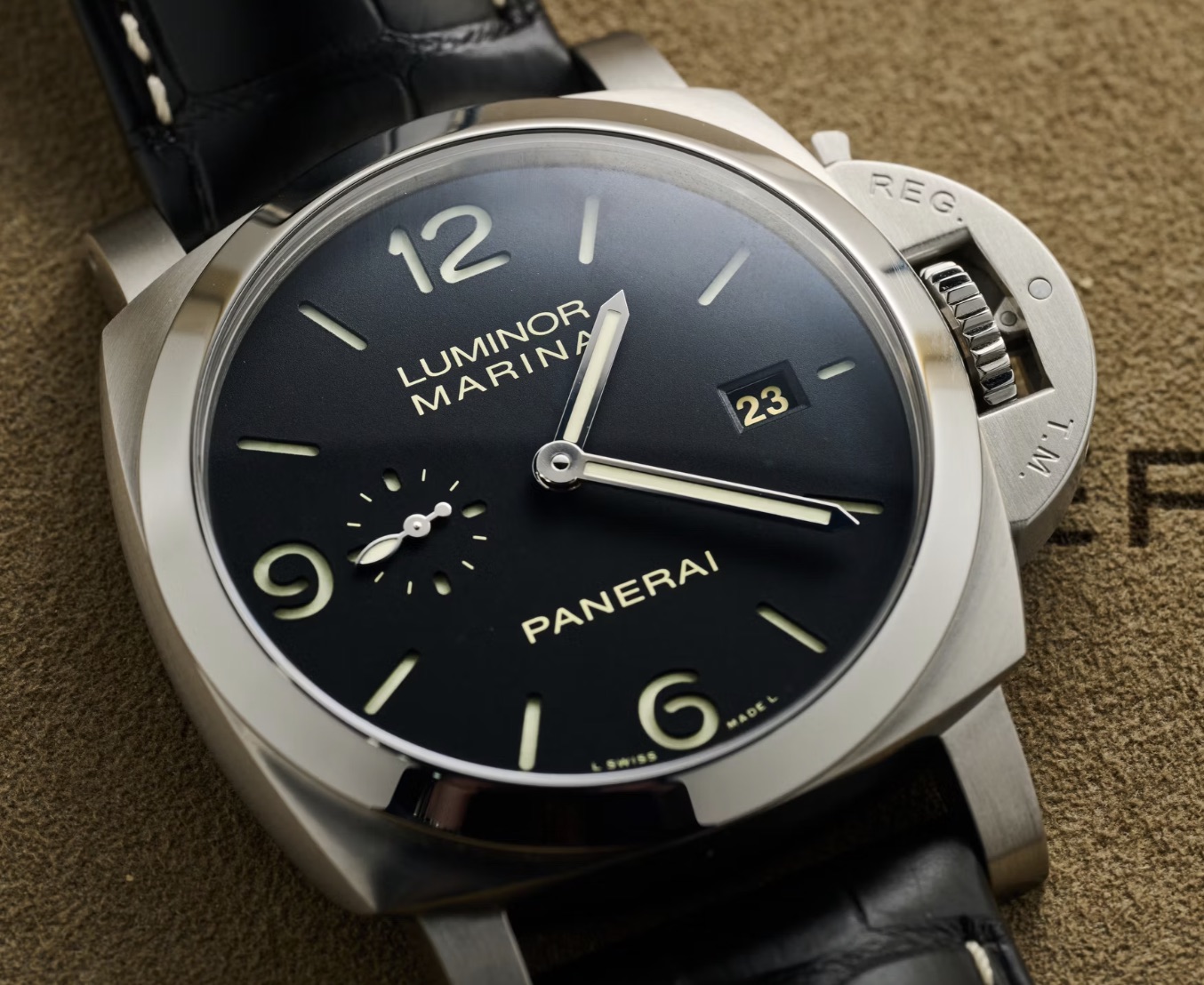
For many watch collectors, understanding different watch models is an essential part of the hobby. Rather than focusing on a single design, experienced enthusiasts often compare multiple models to evaluate proportions, materials and overall construction. This process allows them to develop a deeper appreciation for how different watches interpret similar design concepts.
Modern watch collecting is no longer limited to physical stores or catalogues. With the growth of online resources, collectors can now explore a wide range of watch models, compare details and study variations across different styles. This accessibility has made comparison an important step before forming any conclusions about a watch’s design.
Why Model Comparison Matters
Each watch model is defined by its balance of design elements. Case diameter, thickness, lug shape and bezel construction all contribute to how a watch appears on the wrist. Even small variations can significantly change the perception of a model, making direct comparison an important practice for collectors.
Collectors also analyze finishing techniques such as brushed surfaces, polished edges and the integration of materials. These elements influence how light interacts with the watch, which in turn affects its visual presence.
Understanding Dial Layout and Visual Structure
The dial is one of the most important aspects of a watch. Differences in hour markers, hand shapes and layout structure can dramatically change the identity of a model. Some watches emphasize readability, while others focus on symmetry and refined detail.
By comparing multiple models side by side, collectors are able to identify subtle design differences that may not be immediately visible at first glance.
Exploring Watch Model Collections
Online watch model collections have become a key tool for enthusiasts. These resources provide structured overviews that make it easier to compare different models and observe how design variations are implemented across collections.
Many collectors review structured resources such as watch model collection platforms to analyze how different models interpret well-known watch designs and to compare variations in detail.
The Role of Continuous Research
Watch collecting is a process that evolves over time. As collectors gain experience, they begin to notice finer details in design and construction. Continuous research helps refine personal preferences and allows enthusiasts to develop a more informed perspective on different watch styles.
It is common for collectors to revisit comprehensive resources like https://bestuhren.de/ to explore updated model variations and deepen their understanding of watch design.
Conclusion
Comparing watch models is one of the most valuable practices for any watch enthusiast. By studying proportions, materials and design structure, collectors gain insight into the craftsmanship behind each model. Over time, this approach leads to a more refined understanding of watch design and a stronger appreciation for the diversity of watchmaking.